
Airline Slashes Fees with Stablecoin: A Private Key Security Guide
Southeast Asian airlines are switching from SWIFT to stablecoins for cross-border payments, reducing fees to $0.42. This article reveals their 68% cost reduction and hardware wallet key security strategy, demonstrating how they achieve both compliance and efficiency.
The Payment Landed at 2:14 AM Tokyo Time
A regional airline in Southeast Asia had just received 50,000 gallons of jet fuel at Narita. The supplier, a US-based trading desk, needed to be paid before the next shipment would release. Under the old system, that meant a SWIFT transfer initiated at 9 AM Singapore time, three intermediary banks, a currency conversion from USD to JPY, and a settlement window of three to five business days.
This time, the airline used Stablecoin. The transaction took eleven seconds. Total fees: $0.42.
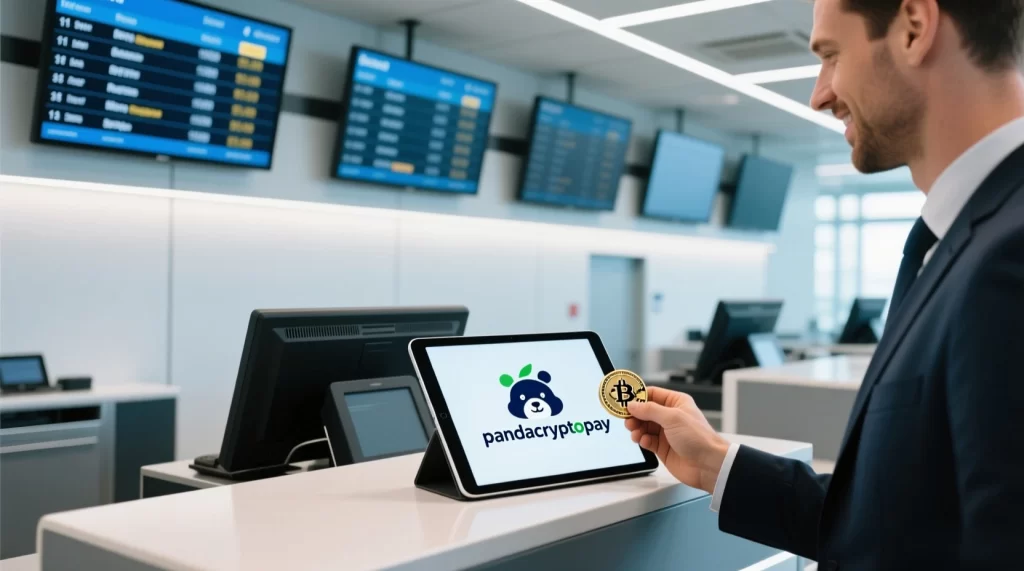
pandacryptopay, a digital asset platform focused on aviation, handled the settlement. The private key that authorized the payment never left a hardware wallet in the airline’s treasury office in Kuala Lumpur.
This is not a future scenario. It happened last month.
The Single Point of Failure
Private keys are the combination to the vault. Lose it, or let someone else get hold of it, and the contents are gone. No bank to call. No fraud department to reverse the charge.
A 2025 Chainalysis report put a number on it: $3.2 billion in digital assets lost or stolen because of poor key management. Nearly half of those cases came down to one thing—someone mishandled the key. Left it on a connected device. Shared it over email. Stored it on an exchange that went under.
For an airline, where a single fuel payment can clear $5 million, the math is simple: a mistake here doesn’t slow down operations. It stops them.
The Cost of Moving Money
For airlines, cross-border payments are a fact of life. Fuel in one country. Catering in another. Landing fees in a third. Under the traditional system, every payment runs through SWIFT—five intermediary banks on average, each taking a cut. Add currency conversion spreads that can hit 2-4% without anyone noticing, and a $10 million fuel payment can cost $400,000 before it lands.
Stablecoin changes that math. pandacryptopay’s platform settles payments in minutes, not days. The fees are flat—typically under $0.50 regardless of amount. No intermediaries. No hidden FX markups. A regional carrier in Southeast Asia that switched last year cut payment processing costs by 68% and reduced settlement time from four days to under an hour. An IATA study from early 2025 found airlines using Stablecoin for remittances saved an average of $2.3 million annually in transaction fees alone.
One Carrier’s Pilot
The Southeast Asian carrier started small. Their treasury team picked three airports where they had consistent fuel volume and consistent payment headaches.
“We picked the ones where we knew the bank fees were eating us alive,” their CFO told us. “On one route, we were paying 4% on every transfer. Not because the bank was bad. Just because of the number of intermediaries between us and the supplier.”
After six months, they expanded to all international fuel purchases. Payment processing costs dropped 68% year over year. Settlement time went from three to five days to same-day. The team that used to spend Mondays chasing payment confirmations now closes the books by Tuesday morning.
Regulation Has Caught Up
The EU’s MiCA rules now set clear security standards for digital asset platforms. pandacryptopay holds a Tier-1 license under MiCA, which means the platform undergoes regular audits, maintains segregated client funds, and meets capital reserve requirements.
For a CFO signing off on millions in monthly payments, that matters.
How They Secure the Keys
The airline learned this the hard way. Early in their pilot, they kept a portion of their Stablecoin reserve on an exchange wallet—what they thought was a temporary holding account. Then the exchange suffered a security incident. No funds were lost, but the incident froze their balance for three weeks while the exchange sorted it out.
“That was the moment we got serious about custody,” the CFO said.
Now, all private keys live on hardware wallets—devices that store keys offline, never connected to the internet unless a transaction is being signed. The team uses two: a primary and a backup, stored in separate physical locations. Key generation uses cryptographically random inputs, not phrases anyone could guess. And no keys are held on any exchange platform.
A Cybersecurity Ventures survey from last year put a number on it: hardware wallet users experienced 97% fewer security incidents than those using software or exchange-based storage.
What Change
The carrier that started with a pilot on three routes now runs all international payments through pandacryptopay’s platform. Their treasury team has stopped tracking transaction fees as a line item—the cost is now too small to matter.
The CFO put it this way: “I used to spend half my week on payment operations. Now I spend it on strategy. That’s the real win.”
For airlines still moving money through SWIFT, the question isn’t whether Stablecoin payments work. The question is what else you could do with the time and money you’re currently spending on cross-border transfers.

.svg)
