
How to Get Paid in Crypto for Collectibles: A Practical Guide
A practical guide for collectibles sellers to accept crypto payments, detailing setup with PandaCryptoPay, benefits of stablecoins, real-world cases, and key risks like volatility and regulations. Start small and scale.
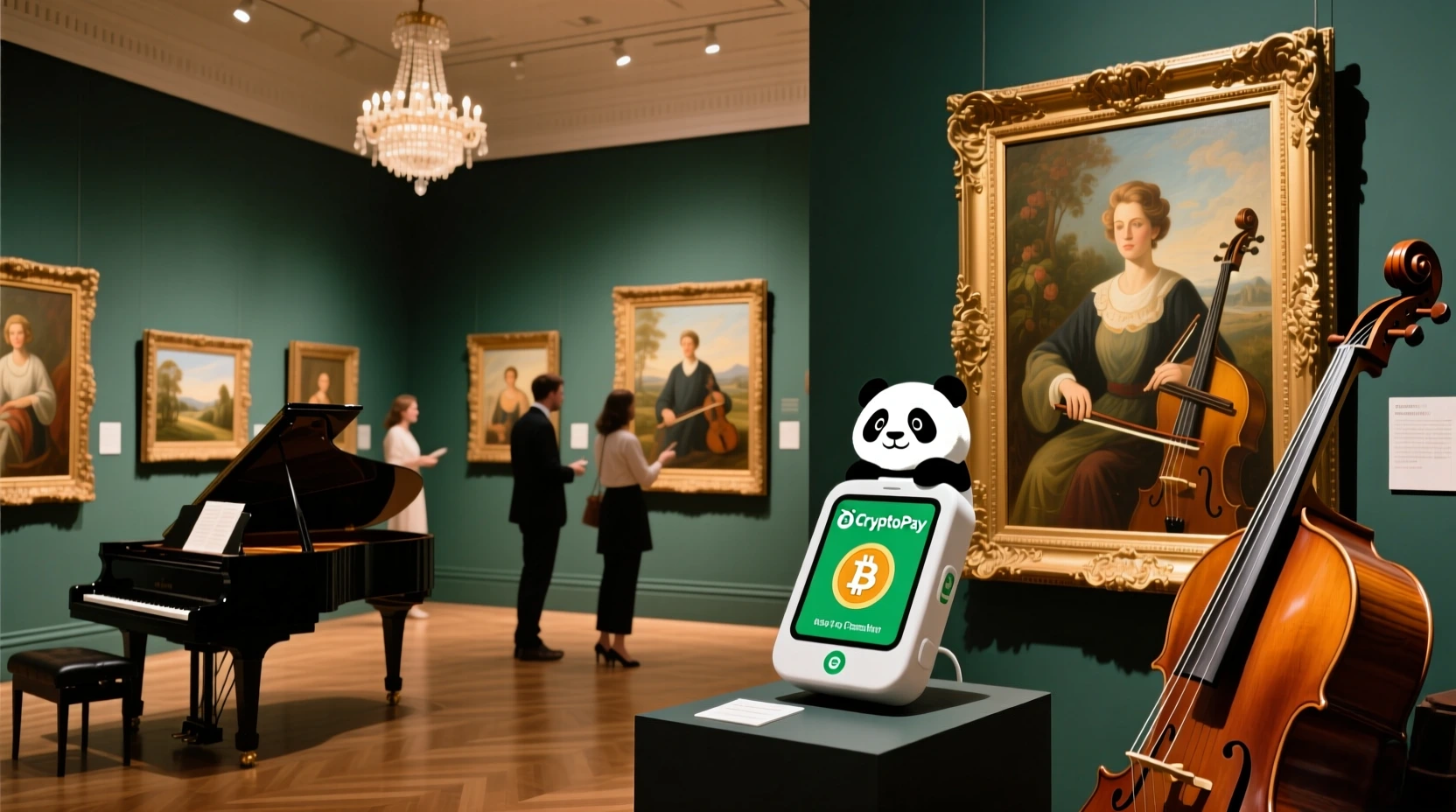
“I sold a rookie LeBron James card to a buyer in LA last month,” says Mike Torres, owner of The Card Vault, a collectibles shop in Chicago. “He paid with USDC. The money hit my wallet in seven minutes. No bank fees, no three-day wait, no ‘your payment is pending’ emails.”
Mike’s experience isn’t unique. If you’re in the collectibles business—whether you’re selling vintage comics, rare sneakers, or NFT art—you know the pain of getting paid. International wire transfers take days, eat up 3-5% in fees, and don’t even process on weekends. Meanwhile, your buyer is waiting, your inventory is tied up, and you’re checking your bank account every hour.
Crypto payments fix that. In this guide, I’ll walk you through how to accept crypto for collectibles, what tools to use (I’ll use PandaCryptoPay as an example), and what hiccups to watch out for. By the end, you’ll know whether it makes sense for your business.
So what exactly are crypto payments?
Simple: you’re paying with digital money like Bitcoin or stablecoins (USDC, USDT, DAI) instead of dollars from your bank account. The difference? No bank in the middle. No “we’ll process this in 3-5 business days.” No “your transaction is pending” over the weekend.
For collectibles, that’s a game-changer. Let’s say you’re selling a 1986 Fleer Michael Jordan rookie card to a buyer in Miami. With a wire transfer, you’re looking at 3-5 days and $50 in fees. With crypto, the money is in your wallet in minutes, and fees are usually under $5.
Why stablecoins make sense for collectibles
Bitcoin is great, but it moves. A lot. Stablecoins like USDC and USDT are pegged 1:1 to the dollar. So when you sell a $15,000 comic, you’re getting $15,000—not $14,200 because the market dipped while you were waiting for confirmation.
“I only take stablecoins for anything over $5,000,” says Mike. “I don’t want to watch the price ticker while I’m trying to close a deal.”
Is it safe? What happens if something goes wrong?
This is the question everyone asks. Mike was nervous too.
“I was scared of getting hacked or just messing up and losing everything,” he admits.
Here’s how it works. PandaCryptoPay uses something called MPC—Multi-Party Computation. Fancy term, simple idea: instead of keeping your private key in one place (like a password stored in a file), it splits the key into pieces and stores them separately. Even if someone hacks one piece, they can’t touch your funds.
“Once I understood that, it made sense,” Mike says. “It’s like having a safe with two keys—you keep one, your partner keeps one. No one opens it alone.”
What coins can you accept?
Bitcoin, Ethereum, USDC, USDT—pretty much any major crypto. PandaCryptoPay connects to payment gateways like BitPay and CoinGate, so you can accept 30+ cryptocurrencies without setting up a bunch of different wallets.
One more thing: every transaction is recorded on the blockchain. Can’t be changed. Can’t be deleted. So when you sell that rare comic, there’s a permanent, tamper-proof record. No more “I never got it” or “I already paid.”
How to get paid with crypto: a step-by-step walkthrough
Let’s say you just sold a vintage comic for $2,500. Here’s how the payment side works with PandaCryptoPay.
Step 1: Set up your wallet
Download the PandaCryptoPay app and create a wallet. The app will give you a seed phrase—12 random words. Write it down on paper. Do not take a screenshot. Do not save it in your phone notes. If you lose that phrase, you lose access to your money. Full stop.
“I put mine in a safe,” Mike says. “Overkill? Maybe. But I’m not losing $50,000 over a screenshot.”
Step 2: Fund it
Transfer crypto from wherever you hold it—an exchange, another wallet, whatever. If you’re new to this and don’t have any crypto, PandaCryptoPay lets you buy it directly with a credit card or bank transfer. Just know that the fees are higher if you go that route.
Step 3: Get paid
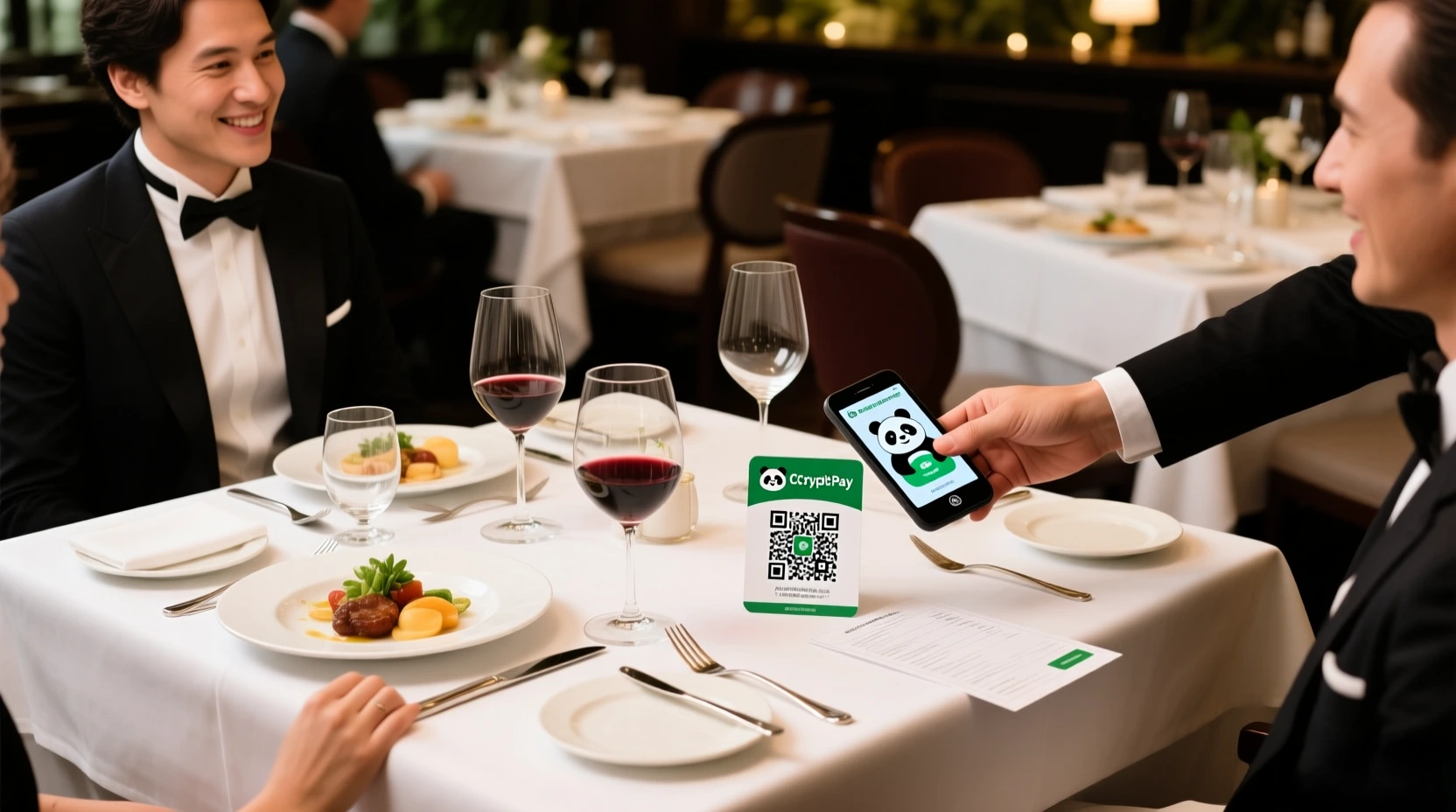
Give your buyer your wallet address. It’s a long string of letters and numbers. Double-check it. I’ve seen people lose money because they typed one wrong character. My habit: copy the address, then read out the first four and last four characters to the buyer. “This is my address. Does it match on your end?”
Once the buyer sends the payment, you’ll see it in your wallet within minutes. The blockchain confirms it—no bank approvals, no holds, no “we’ll release this on Tuesday.”
Step 4: What about taxes?
Yes, you have to pay them. The IRS treats crypto as property, not currency. So when you sell a collectible and get paid in crypto, that’s a taxable event. PandaCryptoPay keeps a transaction history you can export for your accountant. Keep records.
Real example: How one NYC gallery saved $2,500 on a single sale
David Kim runs Digital Canvas, an NFT gallery in Manhattan’s Lower East Side. Last year, he sold a digital artwork for 50 ETH—about $85,000 at the time.
“The buyer was in London,” David says. “He paid with Ethereum. From the moment he clicked ‘send’ to the money hitting our wallet? Seven minutes. Fee was $42.”
He pulls up his phone to show me. “Last time we did a credit card transaction for a similar amount, the fee was over $2,500. That’s a whole other piece of art we could’ve exhibited.”
David now uses crypto for any sale over $10,000. “The savings add up fast. And honestly? The buyers like it too. No one wants to wait three days for a bank transfer when they’re excited about a purchase.”
What’s the catch? (Because there’s always a catch)
Mike learned this the hard way.
“My first crypto sale was for a signed Michael Jordan jersey—$8,000. Buyer paid in Bitcoin. I was psyched. Then I checked my wallet four hours later, and the Bitcoin had dropped 6%. I basically lost $500 while I was celebrating.”
He’s now on stablecoins only. “USDC doesn’t move. I get what I’m owed.”
Other things to watch out for:
Gas fees. When the network is busy, transaction fees can spike. One time, Mike paid $40 to send a $200 payment. “That stung. But PandaCryptoPay lets you set fee limits—you can say ‘don’t process if fees go above X.’ I use that now.”
Regulation. Different states treat crypto differently. California? Fine. New York? You need a BitLicense if you’re holding crypto for others. PandaCryptoPay handles KYC—buyers verify their identity before paying. “At first I thought it was a hassle,” Mike says. “But honestly? It’s weeded out the scammers.”
Mistakes are permanent. Send crypto to the wrong address? It’s gone. No bank to call, no “chargeback.” Mike’s rule: first transaction with a new buyer? Send $50 first. Confirm it lands. Then do the real deal.
Should you try it?
Mike’s advice: start small.
“Find a buyer you trust, ask them to pay with USDC on a $500 sale,” he says. “Walk through the steps. See how it feels. Worst case, you lose a few bucks in fees. Best case, you realize you’ve been overpaying your bank for years.”
He pauses. “I’ll be honest—I was skeptical at first. Crypto felt like something for tech bros, not a guy running a card shop in Chicago. But after that first sale, I was like, why did I wait so long?”
For collectibles, trust is everything. Buyers need to know the item is real. Sellers need to know the money is coming. Crypto doesn’t solve the authenticity problem. But it does make the payment part simple, fast, and predictable.
If you’re still wiring money overseas or eating 3% credit card fees on every sale, it might be worth a look. Start with one small transaction. See how it goes.
As Mike puts it: “I’m not saying drop your bank tomorrow. I’m saying there’s another way to get paid. And for me? It’s been a no-brainer.”

.svg)
