
Top US Crypto Exchanges: Payment Innovation Reshaping Customer Service
Today, leading exchanges are making payment innovation a strategic priority. Platforms such as Coinbase, Kraken, and Binance.US are investing heavily in upgrading their payment systems to address the pain points of inefficiency in the traditional financial system.

Introduction: Payment Infrastructure Becomes a Core Competitive Barrier
The Federal Reserve's Annual Report on the Payment System and CoinGecko's 2025 Crypto Market Reportshow that the average daily trading volume of US cryptocurrency exchanges exceeded $50 billion in 2025, with cross-border payments accounting for a leap from 15% to 35% in just two years. This significant growth signifies a profound transformation in the industry—exchanges have evolved from simple digital asset trading platforms into comprehensive financial service hubs. As a consultant who has long observed the digital asset field, I believe that payment technology innovation is becoming a key factor determining the competitiveness of exchanges. Blockchain-based cross-border payments, seamless exchange between fiat currency and cryptocurrency, and the improvement of compliance infrastructure are redefining the service boundaries and user experience standards of exchanges.

I. How Payment Technology is Reshaping the Value Position of Exchanges
According to user survey reports from The Block Research and research reports from the Boston Consulting Group (BCG), the crypto payment market has reached $150 billion, with a stable compound annual growth rate of around 35%. Nearly 80% of exchange users consider fast fiat currency deposits and withdrawals as the primary criterion for choosing a platform, and this proportion is even higher than 90% among institutional clients. In terms of technology penetration, most leading exchanges have completed the integration of stablecoin payment channels, and cross-border payment service coverage has also reached a high level.
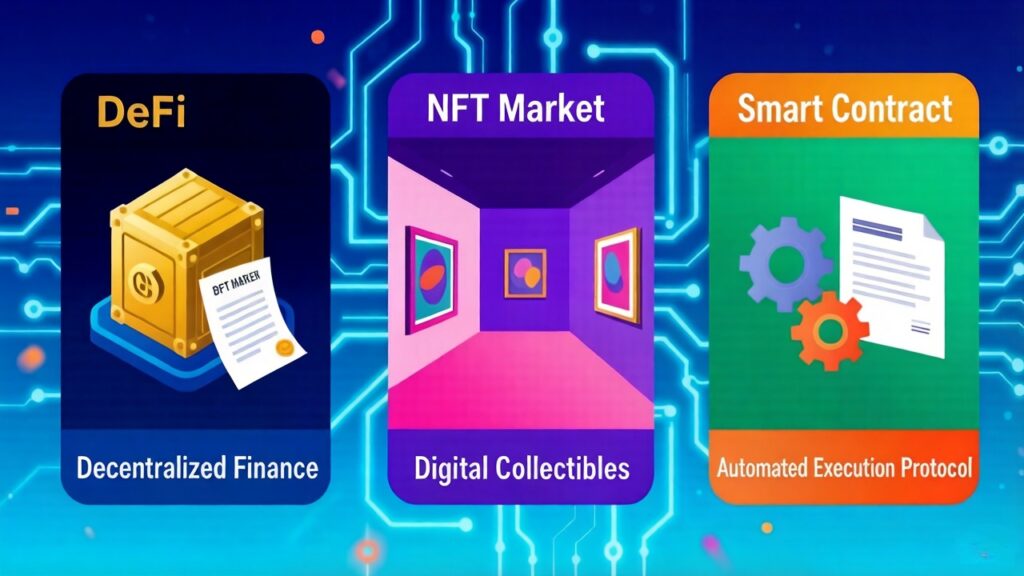
In terms of practical cases, BVNK's stablecoin cross-border payment solution in partnership with Visa has shortened the cross-border settlement time for enterprises from the traditional 3-5 business days to minutes, reducing transaction fees by more than 60%. OSL Pay, as a licensed payment service provider, provides exchanges with a daily fiat-cryptocurrency exchange channel with a scale of $1 billion. Eminence Technology's DeFi wallet solution supports multi-chain asset management and smart contract payments, allowing users to directly use cryptocurrencies for daily consumption.
Therefore, it is evident that the traditional exchange's over-reliance on transaction fees for profit is facing a growth bottleneck, while payment innovation is opening up new paths for value creation. On the one hand, by improving the efficiency of fiat currency to cryptocurrency exchange, the entry barrier for new users has been significantly lowered, effectively expanding the user base. On the other hand, value-added services such as cross-border payments and asset management have become new sources of revenue, reducing over-reliance on transaction fees. More importantly, by building a payment network connecting users, merchants, and DeFi protocols, a highly sticky ecosystem has been formed, establishing long-term competitive barriers.
II. Practices of Payment Innovation in Enhancing Customer Service Experience
At the technical level, stablecoin solutions in the cross-border payment field have achieved second-level settlement, reducing costs to less than 10% of traditional methods. Regarding compliance infrastructure, licensed institutions provide certified digital asset custody services to ensure user asset security. DeFi wallet integration technology allows users to manage multi-chain assets on a single interface, enabling automatic payment via smart contracts.
These technological innovations have brought about a comprehensive improvement in user experience. Fund deposit and withdrawal efficiency has been significantly improved, with fiat currency deposit arrival times reduced from hours to minutes, and withdrawal services achieving 24/7 instant processing. For small and medium-sized merchants, such as cross-border e-commerce sellers, payments can be made directly to overseas suppliers in stablecoins through exchanges, avoiding the high fees and exchange rate losses associated with traditional bank cross-border remittances. Freelancers can instantly receive cryptocurrency payments from overseas clients, and next-generation DeFi wallets support digital asset staking, lending, and payment functions, providing users with a one-stop financial service experience.
From a value reconstruction perspective, payment innovation is driving exchanges to transform from simple "trading venues" into "digital asset financial service platforms." For ordinary users, this means enjoying a bank-level payment experience while also gaining returns from cryptocurrency investment; for small and medium-sized merchants, it significantly reduces cross-border payment costs and expands global business opportunities; and for corporate clients, it allows for improved treasury management efficiency through compliant payment infrastructure. This transformation not only enhances the user experience but also creates new business models and revenue streams.
III. Comparison of Payment Innovation Practices among Leading Exchanges
In practice, different exchanges have adopted differentiated technological approaches. Coinbase deeply integrates the USDC payment network, supporting localized fiat currency exchange in over 50 countries, and is renowned for its strong compliance. Kraken has independently developed a high-frequency payment engine, fully supporting the Lightning Network, and has a significant advantage in transaction fees. Binance.US has partnered with OSL Pay to establish a compliant fiat currency channel, particularly suitable for institutional-level
large-value payment needs.
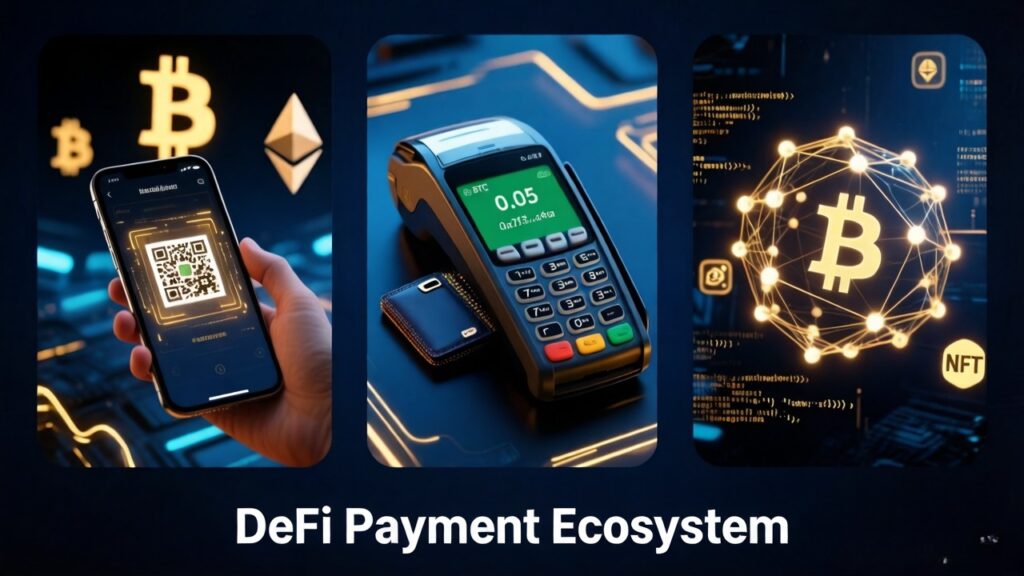
In terms of industry innovation, Coinbase Commerce allows merchants to directly accept cryptocurrency payments and currently serves over 100,000 merchants. Kraken Futures settles derivatives transactions with stablecoins, effectively reducing counterparty risk. Binance Pay deeply integrates with DeFi protocols, allowing users to directly use their wallet assets for online and offline consumption, achieving a seamless connection between digital assets and the real economy.
From an investment perspective, payment gateway technology providers and compliant stablecoin issuers present short-term opportunities, while cross-chain payment protocols and enterprise-grade wallet solutions possess long-term value. Investors need to pay special attention to avoiding payment projects with unclear regulations and prioritize institutions holding legitimate financial licenses. It is recommended to allocate 10-20% of the investment portfolio to payment technology-related fields and to diversify investment stages to optimize the risk-reward ratio.
IV. Multi-Dimensional Payment Solution Selection Strategy
For corporate decision-makers, a phased implementation strategy is recommended. First, a comprehensive needs assessment is necessary to clarify the frequency of cross-border payments, the size of individual transactions, and compliance requirements. Based on the assessment results, select the most suitable solution: for high-frequency, low-value payment scenarios, prioritize exchanges integrating the Lightning Network; for large-value institutional payments, choose exchanges partnering with licensed infrastructure; and for merchant payment integration, choose exchanges providing complete APIs. A phased strategy is recommended during implementation, starting with small-scale pilot tests to verify effectiveness, then gradually expanding to ensure full compliance.
Investors should focus on three core sectors: payment infrastructure, compliance technology, and wallet services. When evaluating investment targets, consider three dimensions: technological strength, compliance qualifications, and ecosystem value. Technological strength focuses on the ability to develop independent payment engines; compliance requirements include holding relevant financial licenses; and ecosystem value focuses on the scale of users and merchants connected by the payment network. It is recommended to allocate 10-20% of the investment portfolio to payment technology-related projects, diversifying investments and balancing risk and return.
Regulatory bodies need to consider establishing a tiered regulatory framework, differentiating between regulatory requirements for personal and enterprise payments; requiring payment service providers to regularly disclose their reserve status to enhance market transparency; and promoting unified cross-border payment standards to reduce compliance costs. In terms of risk control, focus should be placed on stablecoin issuer reserve management and cross-border capital flow monitoring to prevent systemic risks.
For ordinary users and small and medium-sized merchants, it is recommended to prioritize exchanges that support local fiat currency exchange, focusing on deposit and withdrawal speeds and transaction fee levels. Simultaneously, confirm whether the wallet supports multi-chain asset management and DeFi protocol integration. Regarding security practices, large-value asset storage must use hardware wallets, enabling two-factor authentication and transaction limits, and regularly checking transaction records and account security status.
Conclusion: Payment Innovation Defines the Future Landscape of the Industry
Payment technology is becoming the most core competitive element for cryptocurrency exchanges. McKinsey's "Global Payments 2028" report shows that the global crypto payment market will reach $2 trillion by 2028, with leading exchanges' payment business revenue expected to exceed traditional transaction fees. This shift is not only happening at the technological level but also profoundly impacting the business nature and competitive
landscape of exchanges.
For all market participants, we are currently in a critical window of opportunity. Exchanges that can quickly embrace payment innovation and restructure their service models will gain a significant first-mover advantage, while those who wait and see may face user churn and marginalization. It is crucial to recognize that payment innovation is no longer an optional add-on but a strategic necessity that determines an exchange's future market position. This transformation has transcended the realm of simple technological upgrades and is becoming a significant force reshaping the entire digital asset industry landscape.


.svg)
