
UAE 980 Gas Stations Integrated with Stablecoin Payments Giant
—Analysis of the Breakthrough and Application Prospects of Web3 Technology in the Middle East's Traditional Energy Sector
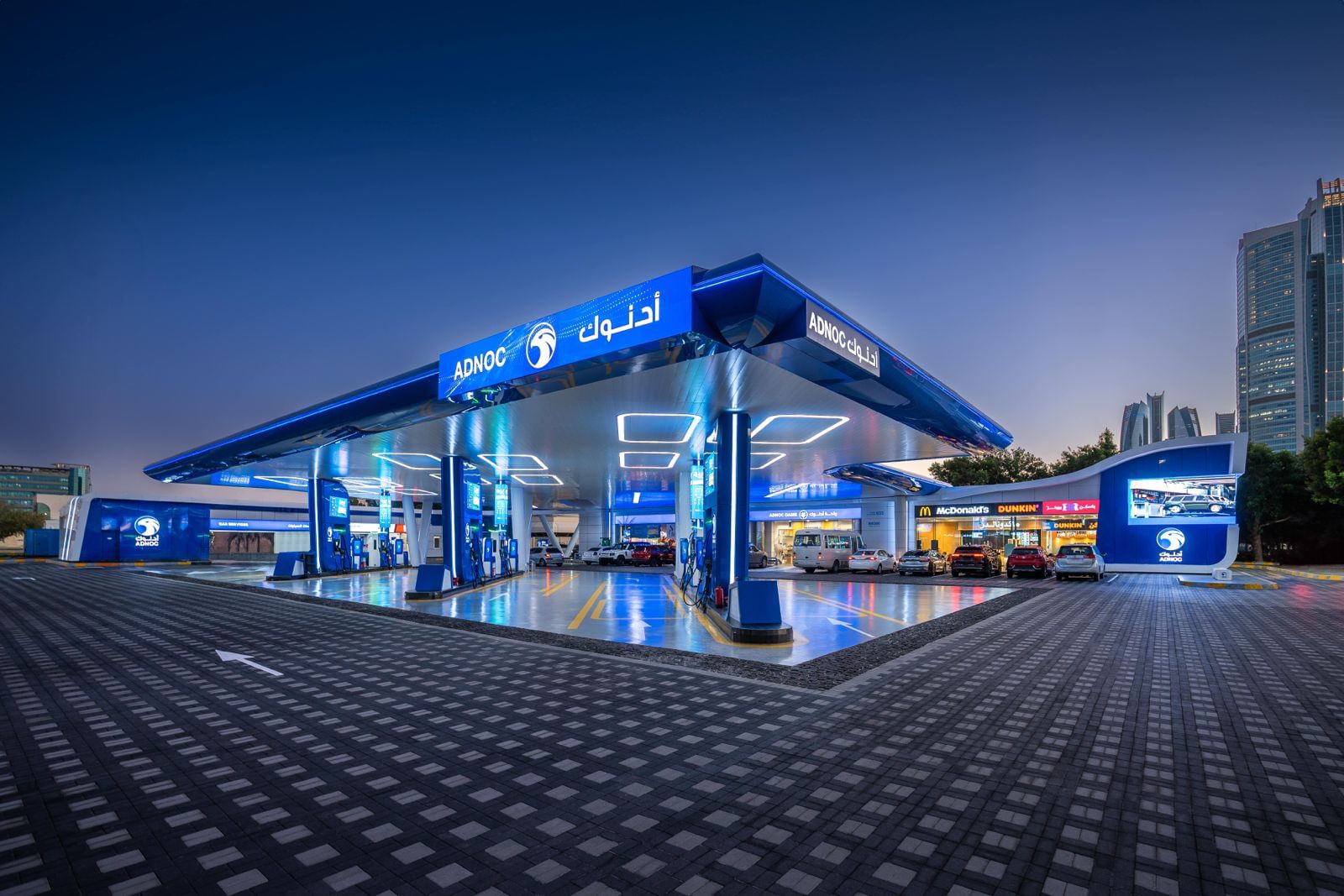
A Payment Revolution Reshaping the Energy Industry
A payment revolution reshaping the energy industry has begun. In December 2025, the UAE's largest fuel retailer announced the full implementation of a stablecoin payment system at 980 gas stations across the UAE, Saudi Arabia, and Oman. This strategic decision not only sets a record for the largest commercial application of cryptocurrency in the Middle East but also marks the traditional energy industry's formal entry into the deep waters of digital transformation. As a consultant who has long observed the cross-border payment field, I believe this move reflects the accelerated integration of the digital economy and traditional energy infrastructure, with impacts far exceeding the scope of payments, indicating a fundamental transformation of the energy industry's business model.
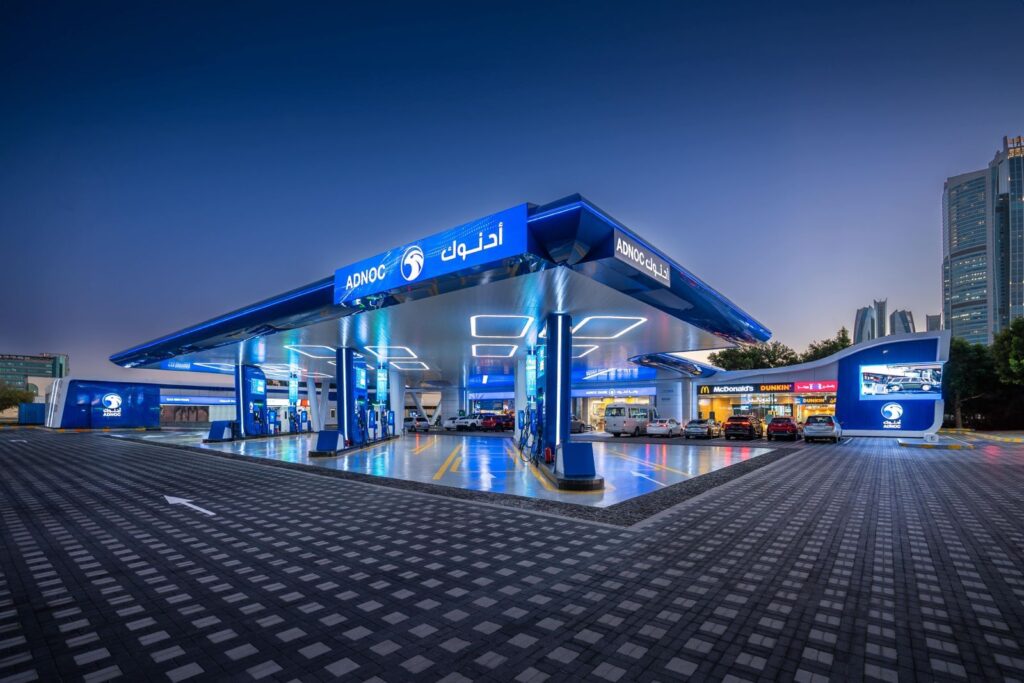
An Inevitable Trend: The Strategic Transformation of the Digital Economy in the Middle East
From a macro perspective, the Middle East is undergoing a strategic transformation towards a digital economy. The UAE Central Bank's 2025 annual report shows that the country's digital payment share has climbed from 28% in 2021 to 67%, achieving an explosive growth of 230% in four years. Meanwhile, Chainalysis's "2025 Global Crypto Adoption Index" shows that stablecoin transaction volume in the Middle East surged by 180% year-on-year, ranking second globally in growth rate. Behind this trend are clear policy guidance and economic benefits: the UAE's "Digital Economy Strategy 2026" incorporates cryptocurrencies into the national payment system, and the IMF's Cross-Border Payments report points out that stablecoins can reduce exchange costs in the complex fuel supply chain of the Middle East by 30%-50%, while significantly improving the efficiency of capital flow.
Practical Application: A Comprehensive Analysis of Stablecoin Payments at Gas Stations
In practical application, stablecoin payments at gas stations demonstrate significant advantages. Users can scan a unique QR code with their mobile encrypted wallet to directly complete payments using USDC or USDT. The system verifies the transaction in real time through the blockchain network and simultaneously authorizes the fuel dispenser, with the entire process controlled within 5 seconds. On the merchant side, payment service providers offer automatic fiat currency exchange, effectively mitigating the risks of cryptocurrency price fluctuations. Real-world testing data shows that consumer payment time has been reduced from 3 minutes to 15 seconds, eliminating the hassle of currency exchange for cross-border transportation workers; enterprise settlement costs have decreased by 40%, and fund arrival has been optimized from T+2 to real-time; from a regulatory perspective, anti-money laundering review efficiency has improved by over 60% due to the traceability of all transaction data on the blockchain.
Industry Ripple Effect: From Energy Payments to Industrial Ecosystem Restructuring
This innovation is triggering a ripple effect across the industry. Emirates Airlines has launched a stablecoin payment test for air tickets, planning to achieve full route coverage by 2026; Saudi Aramco has also partnered with Circle to develop a stablecoin-based supply chain settlement platform. Against this backdrop, investors can focus on three major opportunities: payment gateways with customized capabilities for gas station scenarios, the rapidly growing market for crypto transaction auditing and tax reporting services in the Middle East, and the transformation of new refueling machines to support NFT membership cards and stablecoin payments, the latter with an expected annual growth rate exceeding 300%.

Risk Perspective: Challenges and Boundaries Behind the Prosperity
Behind the prosperity also lie challenges. From a regulatory perspective, the UAE's VARA requires stablecoin payment service providers to obtain full licenses and deposit 100% reserves, while the US OFAC's sanctions on mixers may affect cross-border stablecoin liquidity. Regarding technical security, attacks on Middle Eastern DeFi protocols in the third quarter of 2025 resulted in $120 million in losses, and offline payment scenarios at gas stations still need to guard against double-spending attacks due to network outages.
Seizing the Opportunities of Digital Transformation
For different market participants, the author offers differentiated recommendations: Corporate decision-makers should prioritize piloting stablecoin payments in high-frequency cross-border business scenarios and choose service providers with full licenses from mainstream regulatory agencies such as VARA and ADGM; investors should focus on licensed Middle Eastern projects while avoiding over-reliance on solutions for single scenarios; consumers can download security-audited wallet applications through official channels and familiarize themselves with the transaction process starting with small-amount trials; regulatory agencies can learn from the UAE's "regulatory sandbox" experience to establish cross-border stablecoin liquidity monitoring and emergency response mechanisms.
Conclusion: From Payment Innovation to Infrastructure Restructuring
Overall, this decision by the UAE's fuel retail giant is essentially a digital restructuring of traditional economic infrastructure. When gas stations, a landmark of the industrial age, fully embrace Web3 payment technology, we see not only a revolution in payment methods but also a signal of deep integration between the digital economy and traditional industries. Looking ahead to 2026, more traditional industries such as shipping, aviation, and construction are expected to replicate this model, propelling the global payment system into a new development phase centered on stablecoins. For all market participants, the current question is not whether to follow suit, but rather how to find their niche in this transformation.



.svg)
